Unlock Your Financial Future: Budgeting, High-Yield Savings, Credit Score Boost & Inflation Explained
Mastering the Art of Budgeting
Welcome to the journey of financial freedom! Taking control of your money starts with a solid foundation: budgeting. Think of a budget not as a restriction, but as a roadmap for your dreams. Many people find success using the 50/30/20 rule, which simplifies spending. This strategy involves the following breakdown:
- You allocate 50% for your essential Needs.
- You set aside 30% for your personal Wants.
- You dedicate 20% for Savings and Debt repayment.
When you track every dollar, you stop wondering where your money went and start telling it where to go. [Image: A colorful 50/30/20 pie chart showing the ideal budget breakdown]. Using apps or simple spreadsheets can make this process incredibly intuitive and even fun. It is essential to identify “money leaks” like unused subscriptions or daily expensive lattes. By tightening these areas, you create a surplus that can be redirected toward your future. Remember, a budget is a living document that should evolve with your lifestyle changes. Expert financial planners often suggest reviewing your budget at the end of every month. This consistency ensures you stay aligned with your long-term wealth-building objectives.

Maximizing Your Money with High-Yield Savings
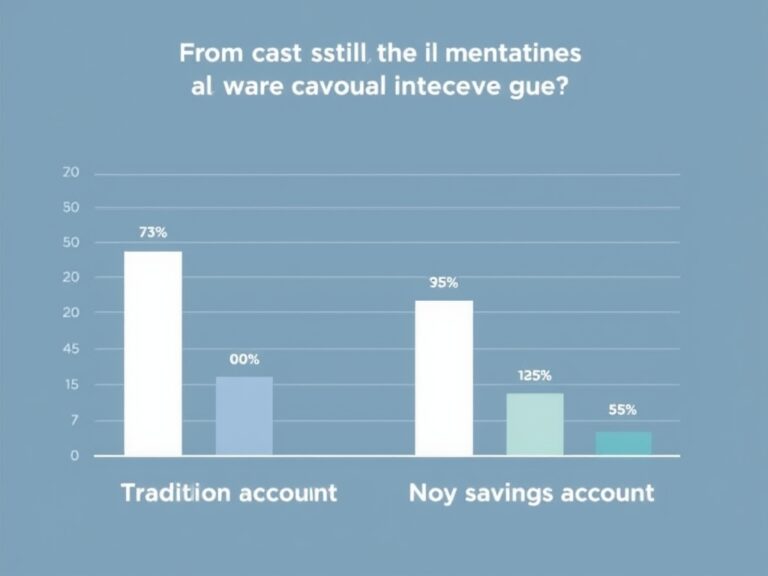
Once you have a budget, you need a smart place to store your cash, which is where High-Yield Savings Accounts (HYSA) come in. Most traditional banks offer measly interest rates that barely move the needle for your wealth. In contrast, an HYSA can offer interest rates that are significantly higher, often 10 to 20 times the national average. This means your emergency fund or vacation savings can grow passively while sitting in the bank. Why settle for pennies when you could be earning substantial compound interest? Using these accounts provides several key benefits:
- You earn a much higher Annual Percentage Yield.
- Your money is protected by FDIC Insurance.
- You maintain easy liquidity for any emergencies.
[Image: A bar graph comparing interest earned in a traditional savings account vs. a high-yield savings account]. These accounts are usually offered by online banks that have lower overhead costs than brick-and-mortar institutions. Setting up automatic transfers to your HYSA is a pro-level move for effortless saving. You’ll be amazed at how quickly those extra interest payments add up over a year or two. It’s one of the simplest ways to “hack” the banking system to work in your favor. Always compare different banks to ensure you are getting the most competitive rate available today.
Strategies to Skyrocket Your Credit Score
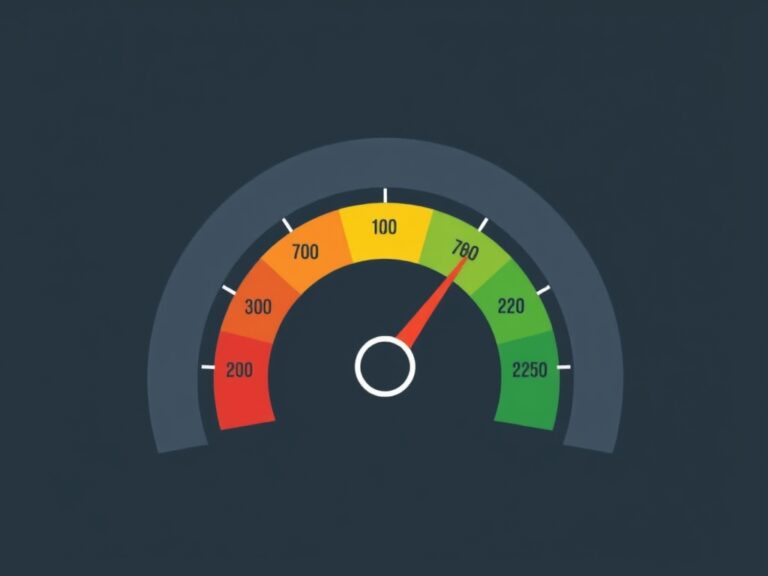
Next, let’s talk about your Credit Score, the silent gatekeeper of your financial opportunities. A high credit score isn’t just a number; it’s your ticket to lower interest rates on mortgages and car loans. If you want to boost your score, the most important factor is your payment history. Always pay your bills on time, as even one late payment can cause a significant dip. Another secret to a high score is maintaining a low Credit Utilization Ratio. Ideally, you should use less than 30% of your available credit limit at any given time. Your score is calculated based on several distinct factors:
- The total length of your credit history.
- The number of recent new credit inquiries.
- The specific types of credit you use.
[Image: A speedometer-style gauge showing the different credit score tiers from poor to excellent]. You can also request a credit limit increase to lower your utilization instantly, provided you don’t spend more. Monitoring your credit report for errors is another expert tip that many people overlook. Correcting a simple mistake on your report can sometimes lead to an immediate score jump. Think of your credit score as a reputation that you build carefully over many years. When you treat credit with respect, lenders will be eager to offer you the best possible terms, saving you thousands of dollars in interest over the lifetime of your major purchases.
Navigating the Realities of Inflation
We cannot discuss finances without addressing the “elephant in the room”: Inflation. Inflation is the steady increase in prices, which effectively reduces the purchasing power of your money. If you leave all your cash in a standard shoe box, it will buy much less ten years from now. Understanding how inflation works is crucial for protecting your hard-earned wealth over the long haul. Central banks typically aim for a 2% inflation rate, but reality can often be much higher. To beat inflation, your money needs to grow at a rate faster than the cost of living. This is why investing in assets like stocks, real estate, or commodities is so important. You should consider several common ways to hedge against rising prices:
- Investing in a diversified index like the S&P 500.
- Focusing on real estate appreciation and rental income.
- Purchasing Treasury Inflation-Protected Securities.
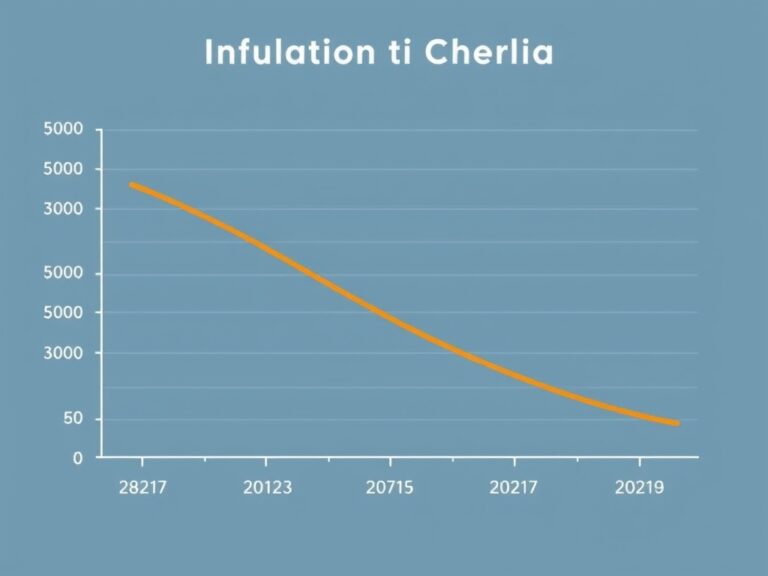
[Image: A chart showing the declining value of a dollar over time due to inflation compared to investments]. While savings accounts are great for safety, they often struggle to keep pace with high inflation periods. Diversifying your portfolio ensures that some of your assets are poised to gain value when prices rise. Being proactive about inflation helps you maintain the same quality of life as you age. Don’t let your wealth erode silently; take action to ensure your portfolio is inflation-proof.
Building Your Bulletproof Financial Roadmap
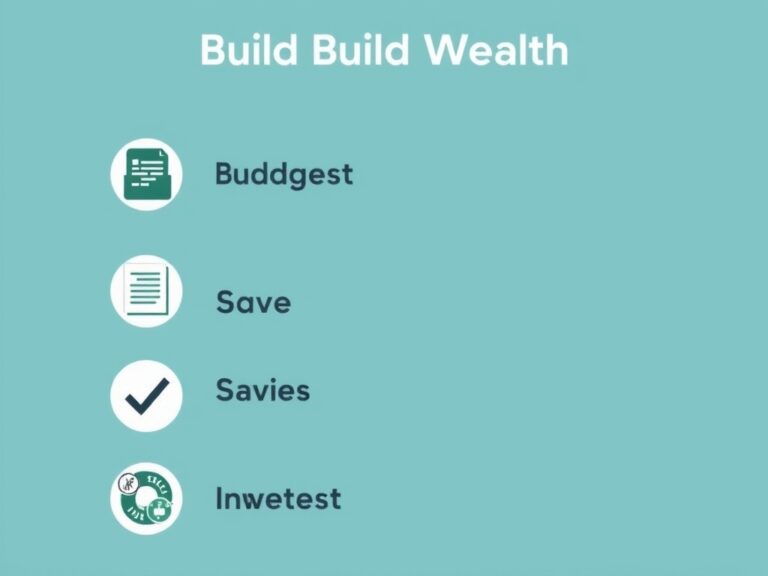
Unlocking your financial future is about connecting all these dots into one cohesive strategy. When you combine disciplined budgeting with high-yield saving, you create a powerful engine for growth. Adding a stellar credit score into the mix ensures you can leverage debt efficiently when buying assets. Finally, by accounting for inflation, you ensure that your future self is truly wealthy, not just “on paper.” Financial literacy is a continuous journey that requires patience, discipline, and constant learning. Start small, stay consistent, and don’t be afraid to adjust your plan as you learn more. You can stay on track by following these simple habits:
- Automate your monthly finances and savings.
- Commit to learning one new concept every day.
- Stay focused on your long-term financial freedom.
[Image: A checklist of financial steps including budgeting, saving, and investing to build wealth]. Your financial future is a masterpiece that you are painting one smart decision at a time. Believe in your ability to master your money and live the life you’ve always dreamed of. The tools are in your hands, so go out there and build your legacy today!