

The Ultimate Personal Finance Guide: Budgeting, High Yield Savings, Credit Score Improvement & Inflation Explained
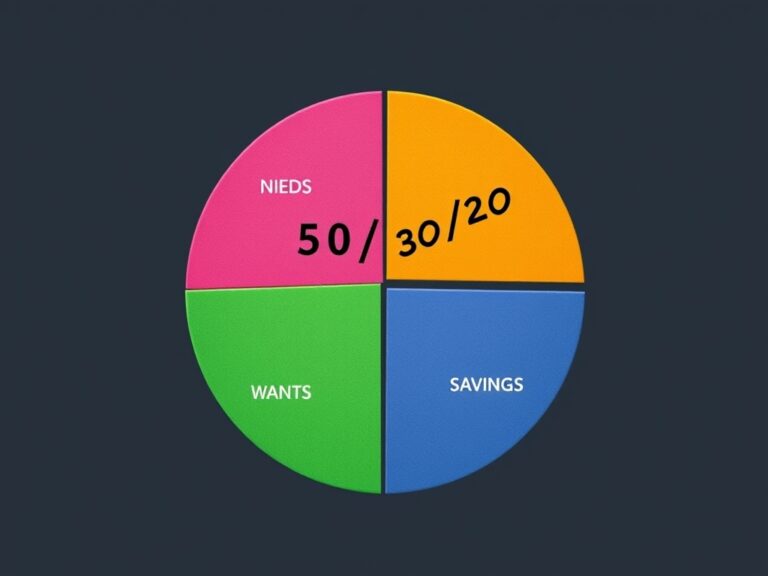
Hey there! Welcome to your journey toward financial freedom, where we turn complex numbers into a simple roadmap for your future. Budgeting isn’t about restriction; it’s about giving your money a job so it works for you instead of the other way around. Using a strategy like the 50/30/20 rule—where 50% goes to needs, 30% to wants, and 20% to savings—can revolutionize your spending habits almost overnight. To get started, you should track every penny for a month using apps or a simple spreadsheet to see where the leaks are. Identifying fixed costs like rent or insurance is the first crucial step in gaining control. You should also spot variable expenses like dining out or impulse subscriptions that might be draining your wealth. Setting specific financial goals gives your budget a clear purpose and keeps you motivated during tough months.
- Identify your fixed monthly costs clearly.
- Spot variable expenses and discretionary leaks.
- Set specific, measurable financial goals for the year.
Understanding exactly where your cash flows is the primary step in this ultimate personal finance guide. When you master your budget, you reduce stress and gain the confidence to handle any unexpected emergencies. Remember, consistency is more important than perfection when you’re first starting out with a new plan. By prioritizing your needs and automating your savings, you create a safety net that allows for future growth. It is essential to review your budget monthly to adjust for life changes and new financial priorities. Once you have a handle on your cash flow, you can start looking at more advanced strategies to multiply your wealth. This foundational habit is the secret sauce to long-term success and ultimate peace of mind.
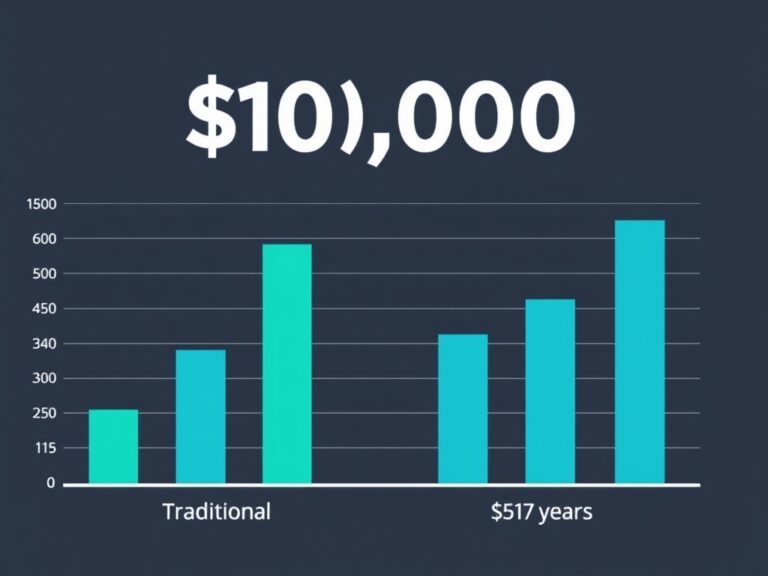
Now that your budget is solid, let’s talk about where to park your hard-earned cash so it grows. Most traditional banks offer measly interest rates that barely move the needle, but a High Yield Savings Account (HYSA) is a total game-changer. These accounts often pay 10 to 20 times more interest than a standard savings account, allowing your money to grow passively. This allows your emergency fund to keep up with the world while remaining completely safe and accessible. When choosing a provider, look for accounts with no monthly maintenance fees to maximize your returns. Ensure the bank is FDIC-insured to protect your capital up to the legal limits. Checking for easy electronic transfer capabilities will make managing your liquidity much simpler and more efficient.
- Look for high-yield accounts with no hidden fees.
- Ensure the institution is FDIC-insured for safety.
- Check for mobile app ease and transfer speed.
By utilizing the power of compound interest, your savings will snowball over time even without massive extra deposits. It’s the perfect place for your ‘rainy day’ fund because the money remains liquid for when you actually need it. Why let your money sit idle in a big-name bank when it could be earning competitive annual percentage yields? Many online-only banks provide the best rates due to their significantly lower overhead costs. Start by comparing different providers to see who offers the most user-friendly interface and best customer support. This is a foundational step in any modern personal finance strategy designed for the digital age. Setting up automatic transfers from your checking to your HYSA ensures you pay yourself first every single month without fail.
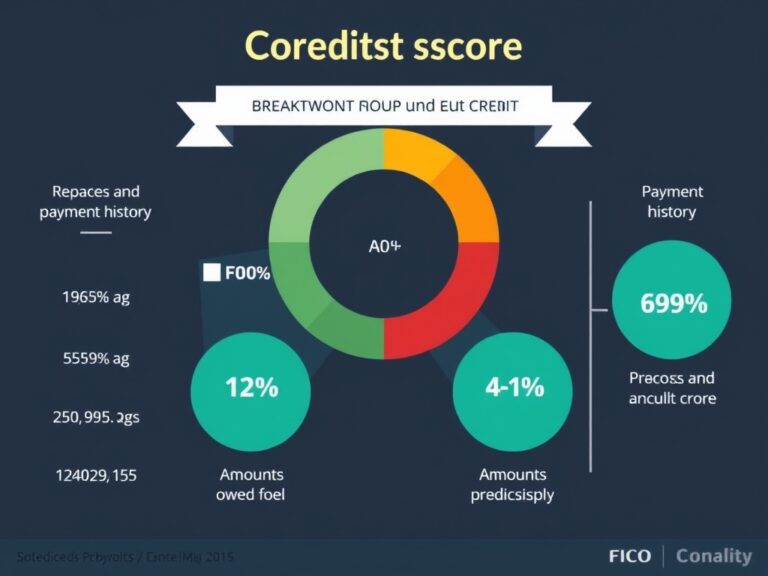
Your credit score is one of the most powerful tools in your financial arsenal, acting as a gateway to prosperity. It acts as a primary key to lower interest rates on loans and significantly better terms for mortgages. Improving it isn’t a mystery; it’s about understanding the specific factors that credit bureaus prioritize in their formulas. Payment history and credit utilization are the two heaviest hitters, making up the bulk of your score. These factors alone make up over 60% of your total calculated score, so they deserve your full attention. Always pay your bills on time to avoid damaging penalties and negative marks that last for years. Keep your credit card balances below 30% of their total limits to show lenders you are a responsible borrower.
- Always pay every single bill on time.
- Keep your total credit utilization below 30%.
- Avoid opening too many new accounts at once.
Avoid opening too many new accounts in a short period, as this triggers hard inquiries that can dip your score. If you have a thin credit file, consider becoming an authorized user for a trusted relative with great habits. Periodically checking your credit report for errors is vital for maintaining your profile and catching identity theft early. A higher score can save you hundreds of thousands of dollars over a mortgage’s life through lower interest. Credit score improvement is a marathon that requires patience and disciplined, long-term habits. Over time, these small actions build a reputation of reliability with various lenders across the country. Make it a habit to use credit cards like debit cards to avoid falling into the high-interest debt trap. This approach ensures you benefit from credit rewards without ever paying a penny in interest charges.
Let’s dive into a topic that affects everyone’s wallet every single day: the invisible force of inflation. Inflation is the gradual increase in prices and the decrease in the purchasing power of your money over time. While a small amount is normal for a healthy economy, high inflation means your dollars won’t go as far. Understanding this concept is crucial because it highlights why simple ‘saving’ isn’t enough for true wealth. You must also invest your capital to ensure your wealth doesn’t erode in value as prices rise. Invest in assets like diversified stocks or real estate to successfully outpace rising costs over the long run.
- Invest in real assets to protect your value.
- Consider Treasury Inflation-Protected Securities (TIPS).
- Review your budget to account for rising living costs.
Consider Treasury Inflation-Protected Securities (TIPS) for a safer investment alternative during volatile economic times. Review your budget frequently to account for the rising cost of living expenses like groceries and utilities. Keeping too much cash under a mattress or in a zero-interest account actually loses you value every day. By diversifying your investment portfolio, you create a powerful hedge against economic volatility and market shifts. Educating yourself on current market trends allows you to make informed financial decisions rather than acting out of fear. Personal finance is about protecting what you have just as much as it is about earning more. Stay vigilant and adapt your strategy as the global economic landscape continues to shift and evolve. High-yield accounts and diversified investments are your best defense against the eroding effects of rising prices.

Taking control of your finances is a life-long journey that rewards persistence with total freedom and security. By integrating budgeting, high-yield savings, and credit management, you are building an unshakable financial fortress. It’s not just about the numbers on a screen; it’s about the peace of mind you gain daily. Knowing you’re prepared for whatever life throws your way is an incredible feeling that few people truly experience. Automate your finances to remove decision fatigue and ensure consistent progress toward your ultimate objectives.
- Automate your savings and investment contributions.
- Continue learning through books and reputable blogs.
- Celebrate small wins like hitting a savings milestone.
Continue learning through books, podcasts, and reputable personal finance blogs to stay ahead of the curve. Celebrate small wins like paying off a credit card or finally hitting your first five-figure savings goal. The key to financial independence is starting today, no matter how small your initial amount might be. Expert-level insights are only useful if they lead to concrete action steps in your real life. Pick one specific area to improve this week to build your financial momentum and confidence. Whether it’s opening that first HYSA or drafting your first budget, the movement will carry you forward. Don’t be afraid to adjust your plan as your goals and circumstances naturally evolve over the years. You have the tools and the knowledge to master the ultimate personal finance guide and thrive. Your future self will thank you for the discipline and foresight you show right now.