Essential Personal Finance: Budgeting, Boosting Credit, Top HYSA & Understanding Inflation
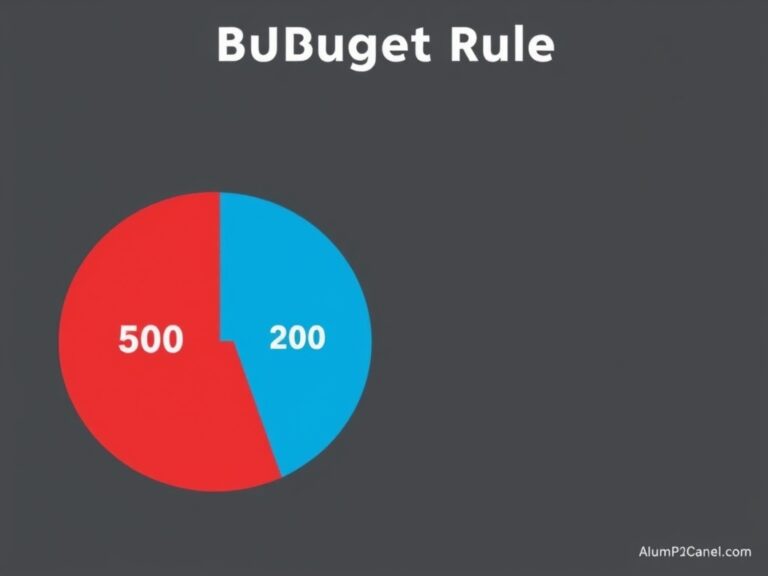
Welcome to the first step of your financial journey! Budgeting isn’t about restriction; it’s about giving your money a mission and ensuring every dollar has a purpose. 🎯 To start, you need to understand where every dollar goes, which is why zero-based budgeting is so effective for beginners and experts alike. 🏦 By assigning every cent a category, you regain total control over your lifestyle choices and future goals. A popular framework many experts recommend to simplify this process is the 50/30/20 rule. 📊 This system helps you break down your after-tax income into three distinct, manageable buckets:
- 50% for Needs: Essential costs like rent, utilities, and groceries.
- 30% for Wants: Discretionary spending like dining out, hobbies, and streaming services.
- 20% for Savings: Debt repayment, emergency funds, and retirement.
Implementing this structure helps you see patterns in your spending that you might have missed before. Consistency is key when you are tracking your daily coffee runs or those recurring subscription services. Using apps like YNAB or Mint can automate this process, making it much easier to stay on track. 📱 Remember, a budget is a living document that should evolve with your life changes and career growth. It provides the clarity needed to tackle bigger financial goals like buying a home or retiring early. 🏡 By mastering your cash flow now, you set a solid foundation for everything else we will discuss today. Financial independence is not just a dream but a destination reachable through careful planning and discipline. Let’s make your money work for you instead of the other way around!
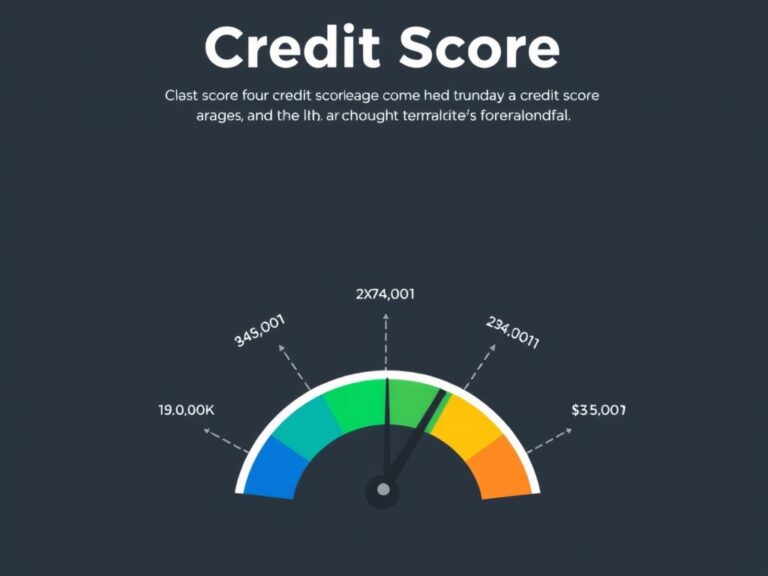
Now that your budget is set, let’s talk about your Credit Score, which essentially acts as your financial reputation in the eyes of lenders. 💳 A high score unlocks lower interest rates on mortgages, better terms on auto loans, and premium credit card rewards. The most significant factor in your score calculation is your payment history, making up 35% of the total, so never miss a due date! 🗓️ Another crucial element is your credit utilization ratio, which is the amount of credit you use relative to your total limits. Experts generally suggest keeping this utilization below 30% to show lenders you aren’t overextended or reliant on debt. 📉 You should also be mindful of the length of your credit history; don’t close old accounts even if you don’t use them frequently. 🕰️ To keep your score rising steadily, consider practicing these key habits:
- Pay your balance in full every month to avoid high-interest charges.
- Request occasional credit limit increases to naturally lower your utilization.
- Monitor your credit report regularly for unauthorized inquiries or errors.
Diverse credit types, like a mix of installment loans and revolving credit, can also give your score a healthy boost over time. 🚀 Checking your credit report annually for errors is a ‘pro move’ that costs nothing but can save you thousands in the long run. 🕵️♂️ If you see an error, dispute it immediately with the major credit bureaus like Equifax or Experian. Think of your credit score as a financial tool that, when sharpened, opens doors to incredible opportunities. 🏃♂️ With a solid credit profile, you’ll find that the financial world becomes much more affordable and accessible to you.
Once you have extra cash saved from your disciplined budget, don’t let it sit in a dusty traditional bank account earning a measly 0.01%. 💸 Instead, move your emergency fund to a High-Yield Savings Account (HYSA) to maximize your returns. These accounts offer significantly higher Annual Percentage Yields (APY), sometimes up to 10 or 20 times the national average! 📈 This means your money grows passively while remaining completely liquid and accessible whenever you need it. 🏦 Most top-tier HYSAs are offered by online-only banks like Ally, Marcus, or SoFi, which pass their lower overhead costs to you as a customer. 💻 Always ensure any bank you choose is FDIC insured, which protects your deposits up to $250,000 per account. 🛡️ Why choose an HYSA over a standard savings account?
- Higher Interest: Earn significantly more on every dollar saved compared to big-name banks.
- Low Fees: Most reputable high-yield accounts have no monthly maintenance costs.
- Accessibility: Easily transfer funds back to your checking account within one to three days.
The magic of compound interest works best when your principal is earning a competitive rate every single month. 🪄 Setting up automatic transfers from your checking to your HYSA makes saving effortless and ‘out of sight, out of mind.’ 🧘♂️ This account should ideally hold three to six months of expenses to protect you from life’s unexpected curveballs. ⚾ In the world of personal finance, finding ways to earn more with less effort is the ultimate strategy for success. 🛡️ It’s one of the easiest ‘wins’ in personal finance with virtually zero risk involved for the saver.
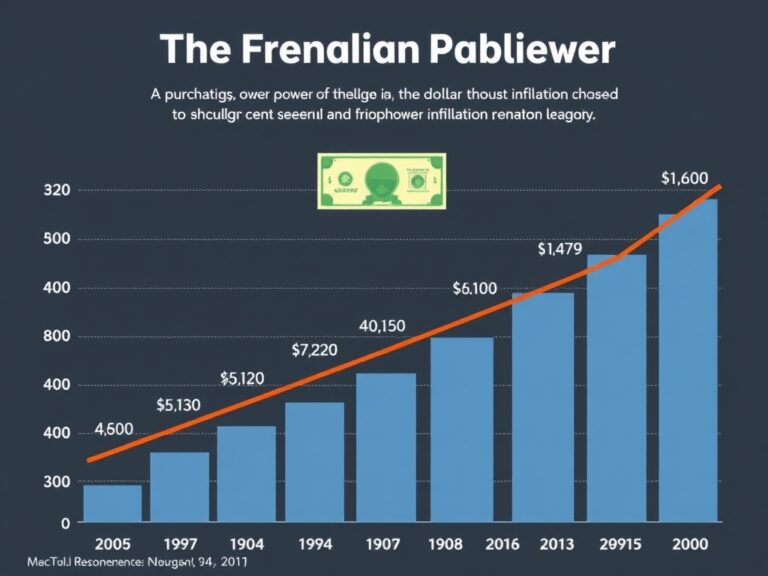
The reason we focus so much on growth and interest is because of Inflation, the silent thief that reduces your purchasing power over time. 📉 Simply put, inflation means that the $100 you have today will buy fewer goods and services ten years from now. 🛒 This is usually driven by a rise in the cost of production or an increase in the general money supply within the economy. 💸 To stay ahead, your money needs to grow at a rate that meets or exceeds the Consumer Price Index (CPI). 📊 This is why investing and using high-yield accounts are so critical; they help you maintain your ‘real’ wealth as prices rise. 💎 When inflation is high, the Federal Reserve often raises interest rates, which is why HYSA rates usually go up during these economic cycles. 🏛️ Understanding the relationship between inflation and your savings helps you make smarter long-term financial decisions. 🧠 To effectively combat inflation, consider these diversified strategies:
- Invest in equities or index funds to achieve long-term capital appreciation.
- Maintain a high-yield account to ensure your cash isn’t losing value to stagnation.
- Invest in your own skills and education to increase your lifetime earning potential.
You shouldn’t just save money; you should strategically place it where it can fight off the eroding effects of rising costs. 🛡️ Diversifying into different assets like stocks, real estate, or even TIPS can provide a necessary hedge. 🏡 Knowledge of how inflation works is what separates a casual saver from a savvy financial strategist. 🎓 Ultimately, being aware of these economic shifts allows you to pivot your strategy and protect your purchasing power for years to come. 🌟